
Childhood Vaccinations: Facts, Updates & Reassurance

Guest Post by Medical Student: Cassandra Ziesemer

Photo Credit: Heather Hazzan, SELF Magazine
Introduction
Vaccines were introduced after the second world war (late 1940's), to combat the infectious diseases that caused immense suffering and loss of life. These illnesses are called vaccine-preventable diseases because there was a time—before vaccines—when they caused an enormous burden, not just on families but on health systems.
On January 5th, 2026, the CDC changed its guidelines to reduce the universal vaccine recommendation from 17 to 11 vaccines, with the remainder largely up to shared decision-making, including hepatitis B, meningococcal, and rotavirus vaccines. This change has NOT been supported by other medical organizations (see below). It’s understandable that this will cause confusion for parents—especially when headlines clash with expert guidance.
Cara Direct Care will continue to follow the childhood immunization schedule endorsed by the American Academy of Pediatrics (AAP) & Illinois Dept of Public Health.

2026 UPDATED STATEMENTS:
Unchanged:
Changed:
A Personal Story:
This issue is deeply personal to Dr. Ryan, whose father lost two siblings in infancy to vaccine-preventable diseases (meningitis and pneumonia). Two (red-haired) aunts that she never got to meet. To read more about her family’s story, read her recent blog post "I Was Her Favorite".
This post explains where vaccine recommendations come from, why they exist, and how recent changes may affect you and your family.
A Brief History of Childhood Vaccines affected by recent CDC update:
Hepatitis B

Hepatitis B is a virus that often causes no symptoms in children, but can quietly cause serious liver disease, liver cancer, or death later in life. Children infected with hepatitis B can unknowingly spread the infection to others. Between 1992 and 2015, approximately 6,800 people in the U.S. were placed on the liver transplant list due to hepatitis B complications.
Before routine vaccination, about 32,000 children younger than 10 were infected each year. Early recommendations targeted only infants born to mothers who tested positive, but doctors later discovered that over half of children with chronic hepatitis B were born to mothers who tested negative. In 1991, universal infant vaccination was recommended to close this gap and prevent missed infections.
Key takeaways:
Hepatitis B causes life-long illness
Infants can still get infected even if their mothers test negative

Meningitis
Meningitis is a serious infection of the tissues surrounding the brain, causing stiff neck, fever, extreme tiredness, and confusion. Meningitis may be caused by viruses or bacteria, but one of the most dangerous causes is Meningococcus bacteria. About 15% of people with meningococcal meningitis die. If the infection spreads to the bloodstream, the death rate increases to nearly 40%. Vaccination is the best way to prevent death from this disease. Two meningococcal vaccines together provide full protection. These vaccinations are recommended for all teenagers as they are at a higher risk of fatal infection.
Key takeaways:
Bacterial meningitis can cause death
2 different vaccinations are recommended for all teenagers for full protection
Rotavirus
Rotavirus causes high fever, severe vomiting, and copious diarrhea (requiring up to 20 diaper changes per day), leading to dehydration. Before vaccination, about 60,000 children in the U.S. were hospitalized every year from this infection, and 20 to 60 children died from rotavirus alone. Hospitalizations dropped by about 80% after the rotavirus vaccine became routine.
Key takeaways:
Rotavirus can cause severe dehydration in children
Vaccinations reduced hospitalizations from this infection
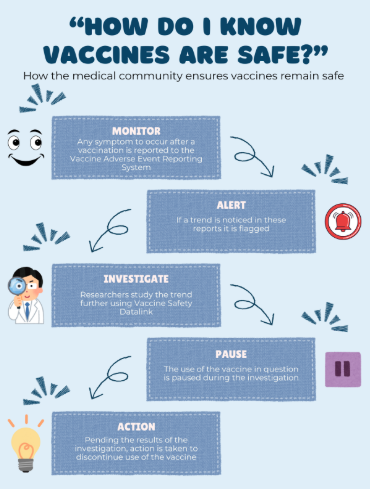
Vaccine Safety: The takeaway is simple: systems are in place to continuously monitor vaccine safety, and recommendations change when risks outweigh benefits. That ongoing oversight is exactly how we ensure vaccines remain as safe as possible.
Why Did The CDC Change Its Routine Recommendations?
Despite opposition from other major medical organizations, the CDC has justified this change by comparing the U.S. vaccine schedule to that of European countries. However, comparing these systems is often like comparing apples to oranges.

Differences between US and European Healthcare Systems
The U.S. healthcare system is not built for consistency. It has gaps—and while some families may never fall into those gaps, public health recommendations must be designed for everyone
What Are The Risks Of Not Vaccinating?
Vaccines are typically covered by insurance, whereas ER visits and hospital stays can cost thousands. Many vaccine-preventable illnesses require hospitalization and intensive care.
Hospital stays disrupt daily life: missed school, missed work, lost sleep, stress on families, and increased risk of spreading illness to others.
Cara Direct Care Recommendations Remain Unchanged
At Cara Direct Care, we remain in agreement with the American Academy of Pediatrics’ recommendations and will not be changing our guidance for your child.
We know this is a confusing and emotional topic, and it’s completely normal to have questions or concerns. If you’d like to talk more about vaccines—the risks, the benefits, or what’s best for your family—please reach out. We’re here to help.
Resources Used:
About the writer:

Cassandra Ziesemer is a fourth-year medical student attending the Chicago College of Osteopathic Medicine and is expected to graduate in May 2026. She is actively pursuing a pediatric residency.
From Dr Ryan:
Thank you to Cassie for working hard on this difficult and confusing topic. Her future pediatric families can be confident that she will provide them with evidence-based and empathetic guidance.


Comments